Why October Is the Time to Cover Unfinished Radiator Pipe Gaps (And How to Do It in Seconds)
As autumn sets in and temperatures drop across the UK, October marks the official return of central heating. Homes everywhere are flicking on their thermostats, bringing back that welcome seasonal warmth.
However, turning the heating back on often highlights a detail many people overlook during the summer: the ugly, unfinished expansion gaps around radiator pipes.
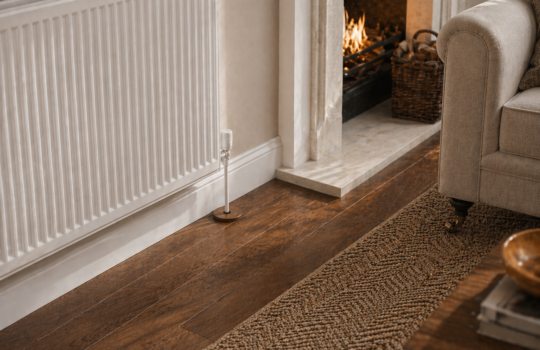
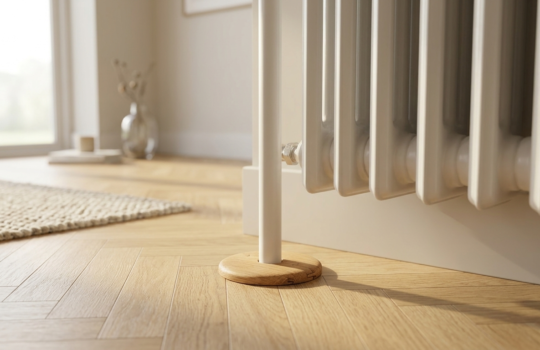
Whether you have installed new solid oak, engineered wood, laminate, or luxury vinyl tile (LVT) flooring, bare copper or white plastic pipes rising out of rough floor cutouts can ruin the entire look of your room.
Here is why covering those radiator pipe gaps is the ultimate quick-win home improvement project for October—and how to choose the right solid wood finish for your floor.
1. The Central Heating Effect: Why October Heat Highlights Floor Gaps
During autumn and winter, heated air rises from your radiators, creating a subtle upward convection current in your room. If you have unsealed gaps in your floorboards around copper feed pipes, this draft effect can draw cool air straight up from underfloor voids or floor cavity spaces into your living areas.
Installing solid wood radiator pipe collars provides two distinct benefits:
-
Immediate Visual Perfection: Seamlessly covers rough floorboard cutouts, expansion gaps, and raw pipe feeds.
-
Draft Mitigation: Adds a solid physical boundary over floor penetrations to help keep rooms cozy as the winter chill sets in.
2. Ditch Cheap Plastic: The Beauty of Solid Wood
Many off-the-shelf pipe covers sold in big-box stores are cheap, white plastic rings that discolor, warp, or crack over time.
At Pipecover Shop, we manufacture our pipe collars from 100% genuine solid timber to complement high-end flooring installations.
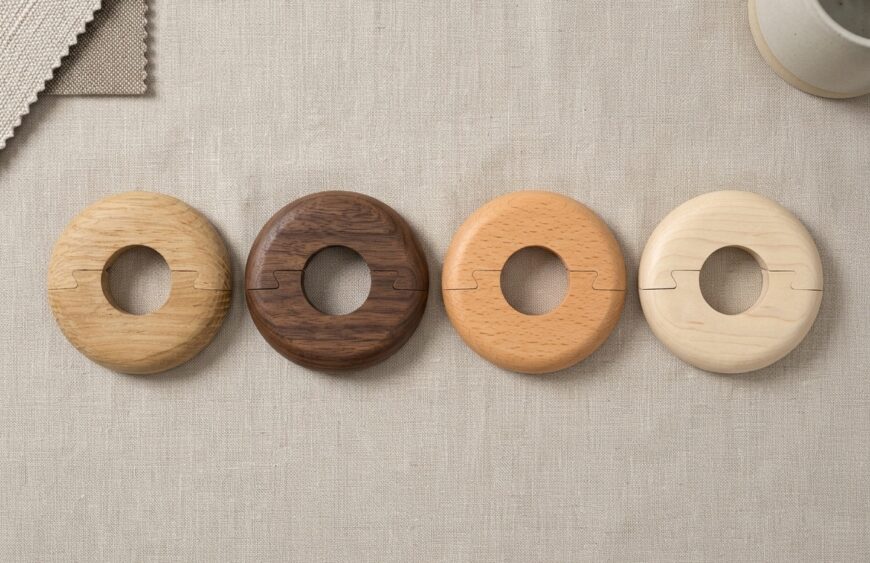
We offer four distinct real wood species:
-
Solid Oak: The classic UK favorite. Matches prime oak flooring, rustic flooring, and traditional skirting boards.
-
Walnut: Deep, rich dark brown hues perfect for luxury dark hardwood floors or dark stain finishes.
-
Beech: Warm, light honey tones ideal for modern beech or light-toned timber floors.
-
Maple: Clean, pale, smooth grain engineered for contemporary Scandinavian-style interiors.
3. Choosing Your Profile: 6mm Low Profile vs. 10mm High Profile
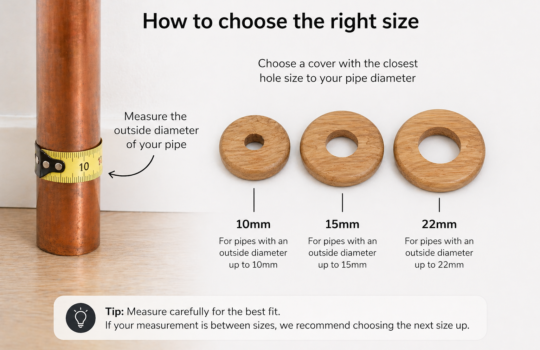
Getting the right fit for your home comes down to two simple choices: Profile Thickness and Pipe Diameter.
6mm Low Profile Collars
-
Best For: Sleek, modern interiors and low-hanging radiator valves.
-
Clearance: Ideal if your lockshield or thermostatic radiator valve (TRV) sits low to the ground and has limited vertical clearance.
10mm High Profile Collars
-
Best For: Traditional, heritage, or chunkier flooring setups.
-
Clearance: Provides a sturdy, defined border on solid hardwood floorboards where deeper floor expansion gaps exist.
UK Pipe Standard Checklist:
Standard UK domestic central heating pipes are 15mm outer diameter. If you have microbore plumbing or commercial/older heavy feed pipes, check our 10mm and 22mm options!
4. Zero Tools, Zero Glue: How to Install in Under 30 Seconds
You don’t need a plumber or a carpenter to fit solid wood radiator pipe covers.
-
Let Pipes Cool: Ensure your central heating is turned off and your radiator pipes are cool to the touch.
-
Clean the Area: Wipe away any dust around the base of the pipe and floorboard.
-
Clip & Position: Line up the two halves of your solid wood collar around the pipe and gently press together until secure.
Ready for an Autumn Home Refresh?
Don’t let unfinished pipe gaps spoil your interior decor this heating season. Browse our full collection of 15mm and 22mm Solid Oak, Walnut, Beech, and Maple Pipe Covers at pipecover.co.uk—available in both 6mm low profile and 10mm traditional thicknesses with fast UK delivery.