August Pipe Protection Checklist: Prepare Exposed Pipes Before Winter
August is the ideal time to prepare exposed pipes for colder weather. The temperature is still mild, repairs are easier to carry out, and there is enough time to fix vulnerable areas before autumn and winter increase the risk of freezing.
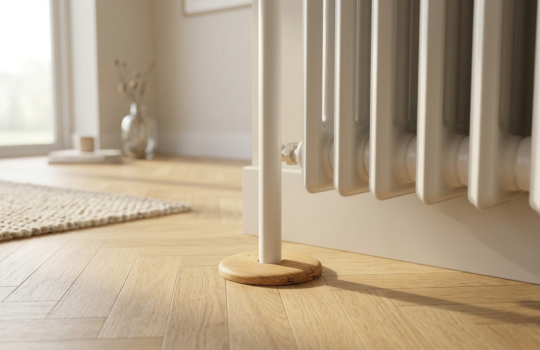
If you have outdoor taps, external pipe runs, garage pipework, or unheated outbuildings, now is the right time to check for weak points. A suitable [pipe cover] can help reduce heat loss, improve protection, and lower the chance of expensive damage later in the year.
For homeowners, landlords, and tradespeople across the UK, a quick check in late summer is one of the simplest ways to avoid winter call-outs.
Why August Is the Best Time to Protect Pipes
Waiting until the first cold snap usually means the problem is already urgent. August gives you a useful window to inspect, replace, and install pipe protection while conditions are still manageable.
This is especially important if your property has:
- exposed pipework on external walls,
- outdoor taps,
- pipe runs in garages, sheds, or lofts,
- garden rooms or extensions,
- or plumbing in areas that are not heated regularly.
If any of those apply, it is worth reviewing your current insulation now. For customers looking for a simple solution, [pipe insulation] and a well-fitted [insulated pipe cover] are often the first things to check.
Step 1: Inspect All Exposed Pipework
Start with a simple walkaround of the property. Look for any pipework that could be vulnerable once temperatures drop.
Pay close attention to:
- outdoor taps,
- pipes on external walls,
- pipework in garages or sheds,
- plumbing near draughty entrances,
- and pipe runs in garden rooms or outbuildings.
If you can see exposed or lightly insulated pipework, treat it as a priority. These are the areas most likely to need extra [pipe protection] before winter.
Step 2: Check Whether Existing Insulation Still Works
Not all insulation stays effective over time. Materials can split, compress, become damp, or move out of place.
Look for:
- cracks or tears,
- loose or missing sections,
- gaps around bends and joints,
- water damage,
- and worn areas where the pipe is partly exposed.
If the insulation is damaged, it is no longer giving the level of protection you need. Replacing it now is far easier than dealing with frozen pipe problems later.
Step 3: Give Outdoor Taps Extra Attention
Outdoor taps are one of the most commonly overlooked risk areas. They are exposed to the elements and often only used occasionally, which makes them easy to forget during summer.
An [outdoor pipe cover] or insulated cover can help reduce heat loss and give the tap better protection against colder weather. If the tap is in a particularly exposed location, it is worth choosing a stronger solution rather than leaving it until winter.
Step 4: Review Garages, Lofts, and Unheated Spaces
Pipework in unheated areas often needs more care. Garages, lofts, side returns, sheds, and outbuildings can all become cold quickly overnight, especially later in the year.
Check whether pipes in these spaces are:
- fully insulated,
- protected from draughts,
- clear of stored items,
- and fitted with enough coverage at bends and joints.
If you are also checking other parts of the property, this is a good point to link to your wider maintenance advice or product pages, such as [winter pipe protection] and [external pipe insulation].
Step 5: Don’t Forget Empty or Lightly Used Properties
For landlords, holiday-let owners, and homeowners planning time away, August is a useful time to review pipe protection before a property sits empty or is used less often.
If problems go unnoticed, small issues can become larger and more expensive. Before a property is left unattended, check:
- exposed internal and external pipes,
- outdoor taps,
- insulation around cold-prone areas,
- and any signs of wear or moisture.
If you manage rental properties, this is also a natural place to link to your maintenance or property-care pages, such as [landlord pipe protection] or [property maintenance solutions].
Step 6: Choose the Right Pipe Cover
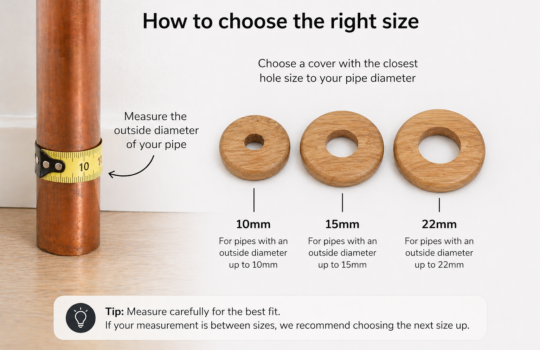
Not every pipe needs the same solution. The right [pipe cover] depends on how exposed the pipe is, where it sits, and how much wear the area gets.
When choosing a cover, look for:
- a snug fit,
- durable material,
- the right thickness for the location,
- easy installation,
- and good coverage at joins and bends.
If the pipe is outdoors or in a cold, unheated space, it is usually better to choose a more robust [insulated pipe cover] rather than a temporary fix.
Step 7: Make Pipe Checks Part of Your Seasonal Routine
The easiest way to stay ahead of winter problems is to make pipe protection part of your annual maintenance routine.
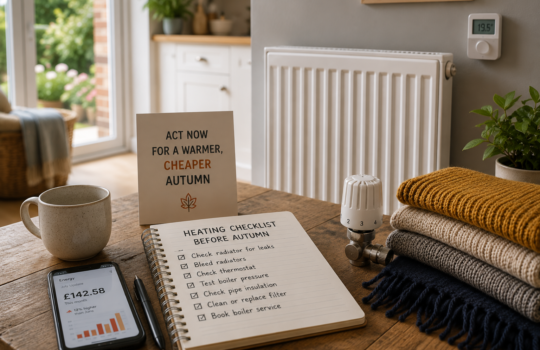
A simple late-summer checklist could include:
- inspecting exposed pipework,
- replacing damaged insulation,
- checking outdoor taps,
- reviewing unheated spaces,
- and ordering replacement protection before the weather changes.
This keeps winter prep simple, predictable, and much less stressful.
Why Buy a Pipe Cover Now
August is the right time to act because the weather still gives you space to plan properly. Once autumn arrives, small jobs often get delayed until they become urgent.
Buying a [pipe cover] now means you can:
- protect vulnerable pipework before colder weather arrives,
- reduce the risk of freezing and damage,
- and get a straightforward maintenance job finished early.
For customers looking for a practical, reliable solution, Pipecover offers an easy way to protect exposed pipes before winter starts.
Frequently Asked Questions
Do I need a pipe cover for outside pipes?
If the pipe is exposed to cold air, draughts, or weather, then some form of protection is usually sensible.
What is the best pipe protection for winter?
That depends on the location and exposure level. Outdoor taps, external pipework, and unheated areas usually need stronger insulation.
When should I insulate exposed pipes in the UK?
Late summer or early autumn is ideal, before temperatures start to fall.
Can I leave old pipe insulation in place?
Only if it is still in good condition. Cracks, gaps, and damp sections reduce its effectiveness.
Final Thought
August is one of the best months to get ahead of winter maintenance. If you have exposed pipework, outdoor taps, or unheated areas that need protection, now is the time to sort them out.
Explore Pipecover’s [pipe protection] and [pipe insulation] options to help prepare your property before the colder months arrive.