Energy bills are rising again from 1 July 2026, with Ofgem confirming a 13% increase to the energy price cap for a typical UK household paying by Direct Debit.
That does not mean every household will pay the same amount. Your bill still depends on how much energy you use, your tariff, your payment method and your home. But the July rise is a useful reminder: even in summer, it is worth thinking ahead to autumn before the heating goes back on.
July is actually a good time to do it. Radiators are usually off, rooms are easier to work in, and small heating-related jobs are less disruptive than they would be once colder weather arrives.
Why Check Heating Details in Summer?
Most people only think about radiators when they need them. By then, the first cold week has arrived and every small issue feels more urgent.
A quick summer check can help you spot things early, such as:
- Radiators that need bleeding
- Valves that are stiff or awkward to turn
- Exposed or untidy pipework
- Gaps around radiator pipes after new flooring
- Areas where decorating has left pipework looking unfinished
- Radiators blocked by furniture or heavy curtains
Not every check is about energy saving. Some are simply about making sure the room is tidy, usable and ready before autumn.
Start With the Radiators You Use Most
Focus first on the rooms where heating comfort matters most:
- Living room
- Bedrooms
- Hallway
- Bathroom or cloakroom
- Home office
- Children’s rooms
Check whether each radiator is easy to access and whether anything is blocking heat flow. A sofa pushed right up against a radiator, or curtains hanging over it, can make the room feel less comfortable once heating season starts.
It is also worth checking whether the valves turn smoothly. If a valve feels stuck or damaged, it may be better to deal with it before you actually need the radiator.
Look at the Pipework Around the Floor
Radiator pipework is often overlooked because it sits low to the ground. But once you start checking the room, it can become one of the most visible unfinished details.
This is especially common after:
- New laminate or wood flooring
- Tiling
- Vinyl or LVT fitting
- Skirting board repainting
- Radiator replacement
- Room decorating
Flooring often has to be cut around radiator pipes, leaving a small visible gap. Over time, those gaps can make a room look less finished, even if the rest of the space is clean and well decorated.
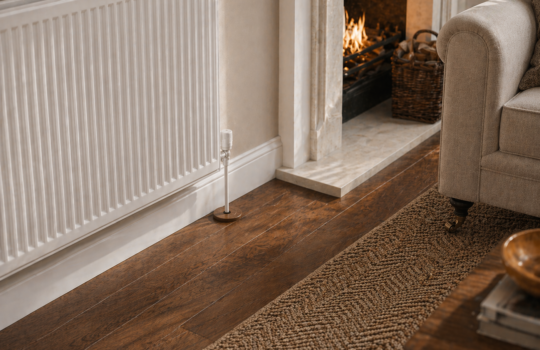
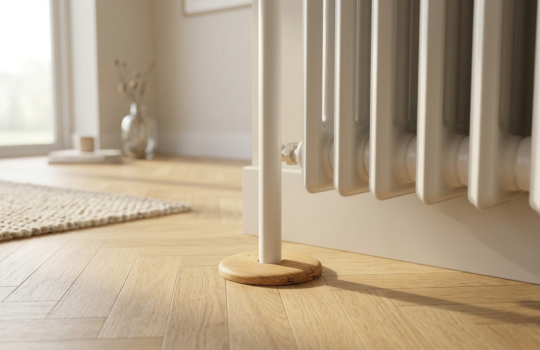
A simple wooden pipe collar can cover the gap where the pipe meets the floor, helping the room look tidier and more complete.
Why Pipe Collars Are Worth Checking Before Autumn
Pipe collars will not reduce your energy bill, and it is important not to overclaim what they do.
Their job is visual and practical: they help finish the area around exposed radiator pipes. That matters because autumn is when radiators become part of the room again. Once the heating is on, people notice radiators, valves and pipework more often.
If you are already checking your heating before colder weather, it makes sense to tidy the visible details at the same time.
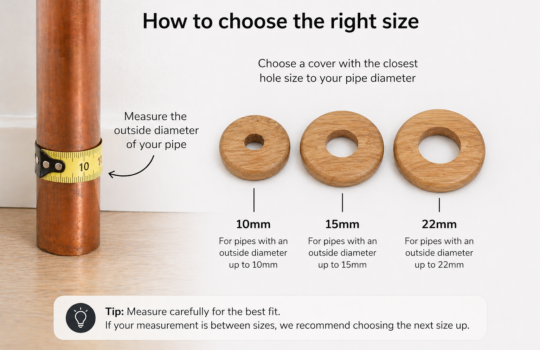
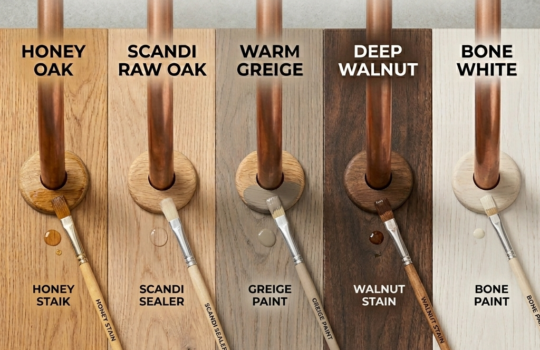
Pipecover’s solid wood pipe collars are made for common UK radiator pipe sizes, including 10mm, 15mm and 22mm, and come in finishes such as oak, walnut, maple and beech. That makes them useful for matching wood, laminate and neutral flooring more naturally than standard plastic covers.
A Simple Pre-Autumn Heating Checklist
Before autumn arrives, take a few minutes to check:
- Do radiators heat evenly, or might they need bleeding?
- Are radiator valves easy to turn?
- Is furniture blocking heat from circulating into the room?
- Are curtains hanging over radiators?
- Are visible pipes clean and tidy?
- Are there gaps around radiator pipes where they meet the floor?
- Do pipe collars match the room’s flooring?
- Are bathrooms, cloakrooms and hallways looking finished around towel rails and radiators?
For anything involving leaks, pressure problems or radiator repairs, it is best to speak to a qualified professional. But for simple finishing details, this is the kind of low-effort job homeowners can often sort before the colder months.
The Takeaway
With UK energy bills rising from July, many households will be more conscious of heating costs as autumn approaches. Summer is the right time to check the small details while your radiators are not in daily use.
Bleed radiators if needed, make sure valves are working, keep heat paths clear, and tidy the visible pipework around the floor. A small finishing touch like a wooden pipe collar will not change your tariff, but it can make your rooms look cleaner, more cared for and ready for the season ahead.